

Engineered-to-Order Solutions

The constraint on AI infrastructure isn't ambition, it's execution: not enough skilled trades, commissioning windows that keep slipping, and field-built systems that turn every site into a one-off. Ingersoll Rand solves this the way the most demanding industries on earth already have — by turning site-built utility systems into factory-engineered products. 

We engineer the system once, build and fully test it in the factory, and ship it as a plug-and-play module ready for rapid commissioning. It's a discipline we've proven for decades in offshore platforms, LNG terminals, and chemical mega-projects, in environments where a failed commissioning isn't an inconvenience, it's a shutdown. We're now applying engineered to order capabilities, along with our chiller, pump, and fluid-handling portfolio, to data center cooling and utility infrastructure.
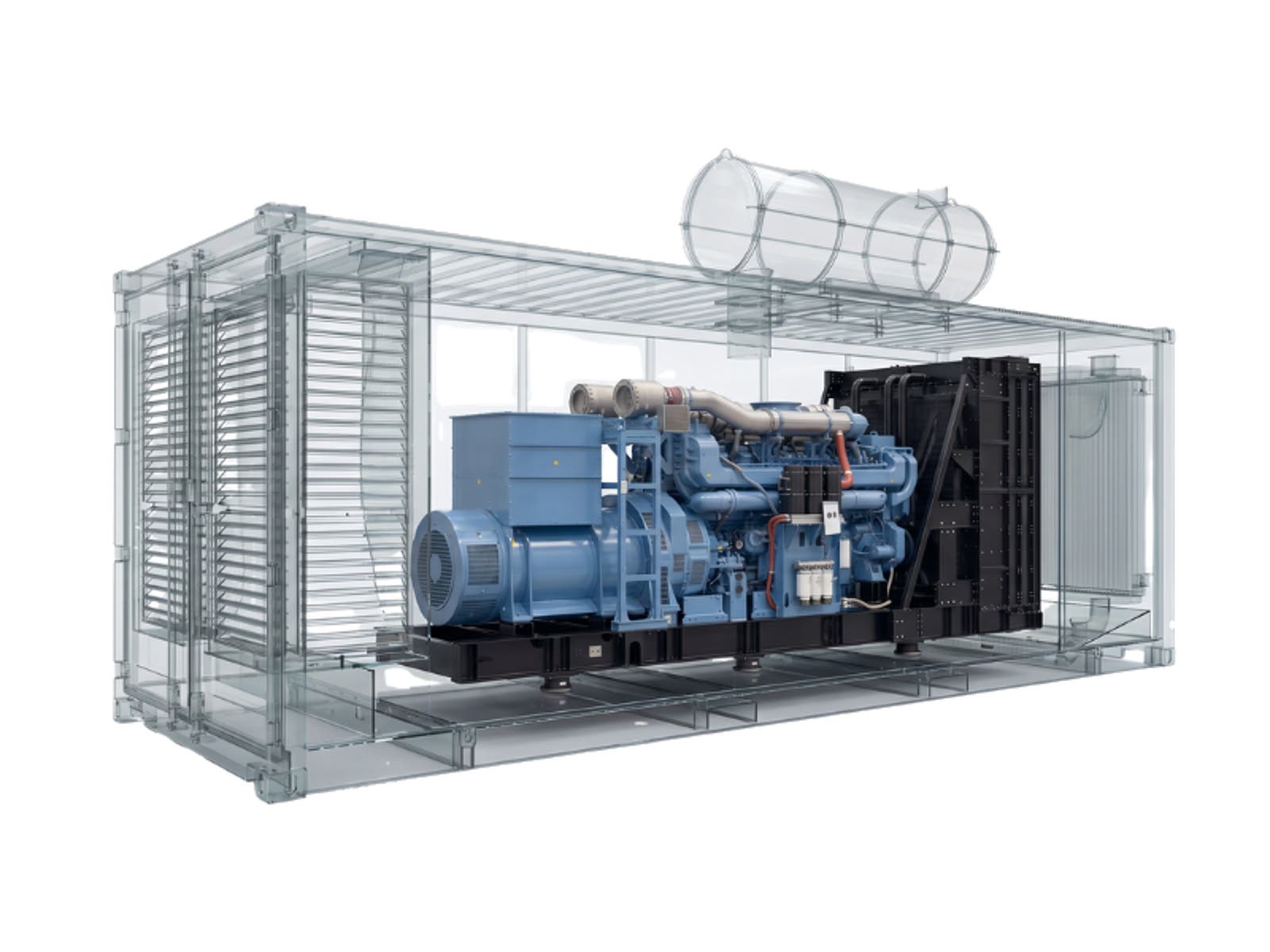
Engineered-to-Order Solutions

Engineered once. Deployed everywhere. Proven before it ships.

Every system is factory acceptance tested (FAT) before it leaves our site, so performance is proven on our schedule, not discovered on yours. We bring more than 300 ETO engineers and over 20 dedicated global ETO manufacturing sites to every project. When your date center campus goes live, we're already there, a dense global service network of more than 150 service centers means we support your infrastructure wherever you operate, across the Americas, EMEIA, and Asia Pacific.  

Built for speed, reliability, and scale

Our modular, skidded approach converts complex infrastructure into repeatable, deployable systems, compressing field labor, simplifying integration, and protecting your schedule.

Faster deployment

factory build runs in parallel with site preparation

Lower execution risk

single-vendor accountability, one performance guarantee 

Less on-site labor

fewer field joints, terminations, and trades at a time when skilled labor is the binding constraint 

Repeatable performance

 identical, validated modules across every building, every site 

CASE STUDY EXAMPLE